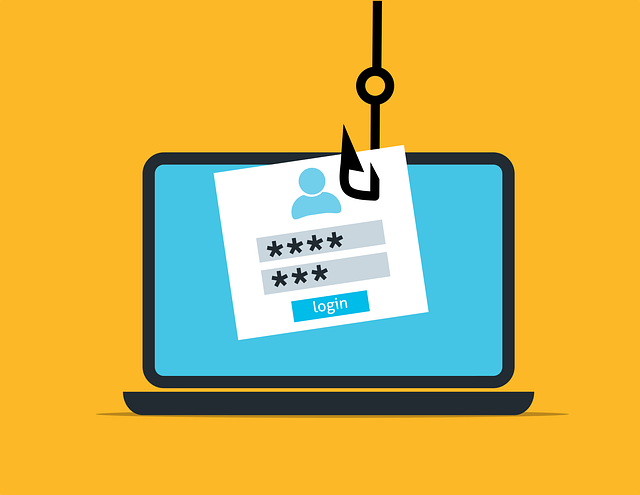
In an era of rapid technological advancement, cybercriminals continually refine their tactics to exploit vulnerabilities and extort money from individuals and organizations. Common infection methods include phishing emails, deceptive SMS messages, malicious links in advertisements, and fake offers (such as job opportunities or product exchanges) that trick users into downloading harmful software. These often install Trojans, keyloggers, or other malware that steal sensitive data, such as login credentials, banking details, or personal information, enabling financial theft or identity fraud.
Understanding Ransomware
Ransomware is a specialized type of malware (malicious software) designed to deny victims access to their devices, files, or systems until a ransom is paid—typically in cryptocurrency like Bitcoin. Unlike general malware that might steal data quietly or cause disruption, ransomware's primary goal is financial extortion through direct demands.
Ransomware exploits human psychology: victims face urgent threats of permanent data loss or public exposure, pressuring quick payment. Attackers often provide a "decryption key" after payment (though many victims never regain full access, and payment is strongly discouraged by authorities as it funds further crime).
Main Types of Ransomware
Ransomware generally falls into two broad categories:
- Crypto Ransomware (Encryptors): The most prevalent and damaging form. It encrypts files (documents, photos, databases, etc.), rendering them inaccessible without a unique decryption key held by the attacker. Modern variants often use strong encryption algorithms that are virtually impossible to break without the key.
- Locker Ransomware: Locks the entire device or operating system, preventing access to the interface (e.g., displaying a full-screen ransom note). This is more common on mobile devices and typically does not encrypt files permanently.
Advanced subtypes include:
- Double Extortion Ransomware: Encrypts data and steals sensitive information first, threatening to leak or sell it publicly if the ransom is unpaid.
- Scareware: Poses as law enforcement or antivirus software, using fear tactics to demand payment for fake "issues."
- Wiper Malware (disguised as ransomware): Destroys data without any intention of providing recovery, even after payment.
Ransomware-as-a-Service (RaaS) platforms have lowered the barrier for attackers, allowing less-skilled criminals to rent sophisticated tools and share profits.
Key Differences: Ransomware vs. Viruses and Other Malware
Malware is the broad umbrella term for any malicious software designed to harm, exploit, or gain unauthorized access to systems. Ransomware is a specific subset of malware with extortion as its core objective.
Here are the main distinctions:
- Virus — A self-replicating type of malware that attaches to legitimate programs or files and spreads when those are executed or shared. It primarily disrupts systems, corrupts data, or steals resources, but does not typically demand payment.
- Trojan — Disguised as legitimate software (e.g., a fake app or document), it tricks users into installation. Once active, it can create backdoors, steal data, or deliver other payloads like ransomware. Unlike viruses, Trojans do not self-replicate.
- Worm — Self-replicates across networks without user interaction, exploiting vulnerabilities to spread rapidly.
- Ransomware — Focuses on encryption or locking to block access, then demands ransom. Payment is the explicit goal, unlike other malware types that prioritize stealthy theft, disruption, or espionage.
In short: All ransomware is malware, but not all malware is ransomware. Ransomware stands out due to its overt extortion model and potential for massive financial and operational impact.
How to Protect Yourself from Ransomware
Preventing ransomware requires a multi-layered defense strategy combining technology, good habits, and preparedness. Here are the most effective best practices:
- Keep Software and Systems Updated Regularly patch operating systems, applications, browsers, and antivirus software to close known vulnerabilities that attackers exploit.
- Use Robust, Up-to-Date Antivirus/Anti-Malware with Ransomware-Specific Features Modern endpoint protection platforms (including EDR—Endpoint Detection and Response) detect behavioral anomalies and block ransomware in real time. Keep signature databases current.
- Maintain Secure, Offline Backups Regularly back up critical data to offline or immutable storage (e.g., external drives, air-gapped systems, or secure cloud solutions with versioning). Test restores periodically—this is the most reliable recovery method.
- Exercise Extreme Caution with Emails and Messages Never open attachments or click links from unknown senders. Verify suspicious requests directly (e.g., call the sender). Avoid enabling macros in Office documents from untrusted sources.
- Enable Multi-Factor Authentication (MFA) Use MFA everywhere possible, especially for email, remote access, and cloud accounts, to block credential-based attacks.
- Secure Remote Access Tools Avoid exposing RDP (Remote Desktop Protocol) directly to the internet. Use VPNs, strong passwords, and limit access. Monitor for brute-force attempts.
- Practice Safe Browsing and Downloads Only download software from official sources. Use ad blockers and avoid suspicious websites.
- Educate and Train Yourself/Employees Awareness is key—regular training on phishing recognition and safe practices significantly reduces risk.
- Implement Additional Layers Use firewalls, network segmentation, least-privilege access, and consider advanced tools like sandboxing for suspicious files.
If Infected: Do not pay the ransom—it rarely guarantees recovery, encourages more attacks, and may violate laws in some jurisdictions. Disconnect the device from the network immediately, seek professional help (antivirus tools, cybersecurity experts, or official incident response services), and report to authorities.
Summary
Ransomware remains one of the most disruptive cyber threats, evolving from simple file lockers to sophisticated double-extortion operations. By understanding its differences from viruses and other malware—and adopting proactive, layered defenses—you can dramatically reduce your risk. Vigilance, regular backups, and up-to-date security tools are your strongest allies in staying protected. Stay informed, stay cautious, and never underestimate the value of basic cybersecurity hygiene.